
Food and Mood Connection: Transform Your Wellbeing
Discover how the foods you eat directly influence your emotional health, mental clarity, and overall happiness. Science reveals the profound link between nutrition and mood—and how understanding this connection can reshape your daily life.

The Science Behind Food and Mood
Brain Chemistry
Nutrients directly impact neurotransmitter production and brain function through the gut-brain axis.
Emotional Balance
Specific foods contain compounds that support serotonin, dopamine, and emotional stability.
Nutrient Power
Vitamins, minerals, and phytonutrients are essential cofactors in mood-regulating pathways.
Mental Clarity
Blood sugar stability and anti-inflammatory foods improve focus, memory, and cognitive performance.
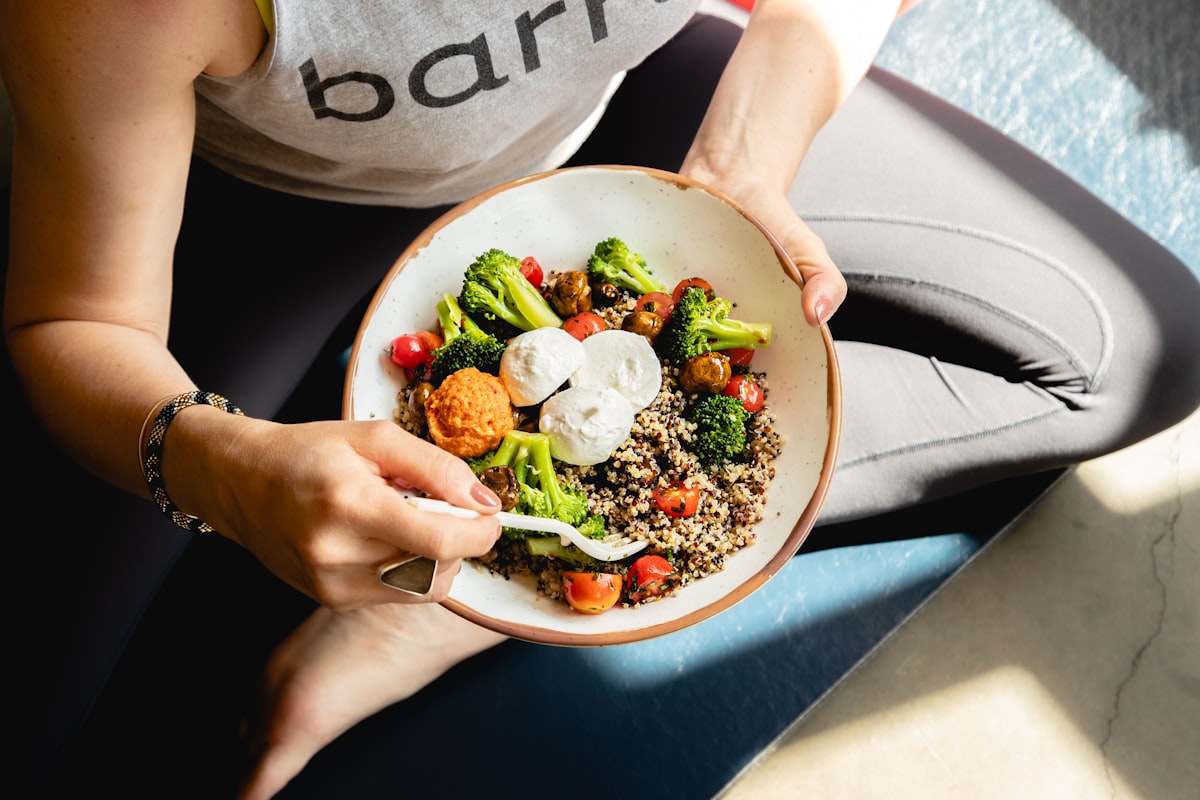
Understanding the Brain-Gut Connection
The gut microbiome—trillions of microorganisms in your digestive system—plays a crucial role in mood regulation. These bacteria produce neurotransmitters and communicate with your brain through the vagus nerve, creating a bidirectional relationship between what you eat and how you feel.
Dysbiosis (an imbalance in gut bacteria) has been linked to depression, anxiety, and cognitive decline. Conversely, a diverse, healthy microbiome supports emotional resilience, mental clarity, and overall psychological wellbeing. Understanding this mechanism empowers you to make food choices that actively support your mental health.
Our editorial platform explores the latest research on fermented foods, dietary fiber, omega-3 fatty acids, and antioxidant-rich ingredients that foster a thriving microbiome and stable mood.
Mood-Boosting Food Categories
Omega-3 Rich Foods
Fatty fish, flaxseeds, and walnuts contain omega-3 fatty acids that reduce inflammation in the brain and support neurotransmitter function.
- Salmon and mackerel
- Chia and flax seeds
- Plant-based alternatives
Antioxidant-Rich Fruits
Berries, citrus, and tropical fruits contain polyphenols that combat oxidative stress and support emotional resilience.
- Blueberries and blackberries
- Oranges and kiwis
- Dark grapes
Fermented & Probiotic Foods
Yogurt, kefir, sauerkraut, and kimchi promote healthy gut bacteria, directly influencing mood and mental clarity.
- Live-culture yogurt
- Fermented vegetables
- Kombucha and kefir
Whole Grains & Legumes
Complex carbohydrates stabilize blood sugar and provide B vitamins essential for neurotransmitter synthesis.
- Oats, quinoa, brown rice
- Lentils and chickpeas
- Beans and pulses
Dark Leafy Greens
Spinach, kale, and Swiss chard are rich in folate, magnesium, and other minerals critical for mental health.
- Spinach and kale
- Collard greens
- Rocket and watercress
Nuts, Seeds & Healthy Fats
Almonds, sunflower seeds, and avocados provide vitamin E, magnesium, and healthy fats for brain protection.
- Almonds and cashews
- Sunflower and pumpkin seeds
- Avocados and olive oil
Your Food-Mood Transformation Journey
Assess Your Current Diet and Mood Patterns
Begin by tracking what you eat and how you feel throughout the day. Notice energy levels, emotional fluctuations, sleep quality, and mental clarity. This baseline awareness reveals patterns and helps identify trigger foods that may destabilise your mood. Our articles provide detailed guidance on journaling techniques and mood-tracking frameworks.
Learn the Science-Backed Principles
Explore our editorial content on the gut-brain axis, neurotransmitter pathways, and how specific nutrients influence mood. Understanding the "why" behind dietary choices builds motivation and sustainable habits. We translate cutting-edge research into practical, digestible insights for everyday life.
Gradually Incorporate Mood-Supporting Foods
Rather than overhaul overnight, add mood-boosting ingredients incrementally. Start with fermented foods, increase omega-3 sources, and embrace colourful vegetables. Small, consistent changes compound into lasting shifts in mood, energy, and wellbeing. Browse our recipes and meal ideas for practical implementation strategies.
Monitor Your Response and Refine
As you adjust your diet, observe changes in mood stability, mental energy, sleep, and overall emotional resilience. Every body responds differently to foods, so personalisation is essential. Our FAQ and detailed guides help you troubleshoot challenges and optimise your food-mood strategy for lasting results.
Build Sustainable, Lifelong Habits
Transformation isn't temporary—it's about embedding food-mood awareness into your daily life. As better nutrition and emotional balance become your new normal, you'll maintain vitality, resilience, and psychological wellbeing. Explore our ongoing content library to stay informed and inspired on your wellness journey.
Real Stories, Real Transformation
"I never realised how much my mood depended on what I ate until I started reading Dailyhabitshealth's articles. Within three weeks of incorporating more fermented foods and omega-3s, my anxiety levels dropped noticeably. I sleep better, feel more focused, and actually look forward to meals instead of viewing food as something neutral. This has genuinely transformed my daily life."
Sarah Mitchell
Manchester, United Kingdom
"As someone struggling with seasonal depression, I was sceptical about nutrition playing a role. But the Dailyhabitshealth editorial content on gut health opened my eyes. I learned which foods actually support my brain chemistry. The research-backed explanations made everything click. Six months in, my mood is more stable than it's been in years, and I'm not relying solely on willpower—the food itself feels nourishing."
James Thornton
Edinburgh, United Kingdom
"I used to have afternoon energy crashes that left me irritable and unmotivated. After learning about blood sugar stabilisation and whole grains through your articles, I restructured my meals. The difference is remarkable—my afternoons are no longer a struggle. I feel emotionally stable throughout the day, and my productivity has soared. Thank you for making the science accessible and actionable."
Emma Richardson
Bristol, United Kingdom
"The Dailyhabitshealth platform has been invaluable during my journey to better mental health. The detailed explanations about how nutrients affect neurotransmitters gave me a scientific framework that made dietary changes feel purposeful, not restrictive. I share these articles with friends constantly. Knowing the 'why' behind eating certain foods has truly revolutionised my relationship with food and my overall wellbeing."
David Clarke
London, United Kingdom
Common Questions About Food and Mood
How quickly will I notice mood changes?
Most people report subtle shifts within 2-3 weeks, particularly in energy levels and sleep quality. More significant improvements in mood stability, anxiety reduction, and emotional clarity typically emerge over 4-8 weeks. Individual timelines vary based on baseline diet, gut health status, and overall lifestyle factors. Consistency is more important than perfection.
Can diet replace professional mental health support?
Nutrition is a powerful complementary strategy for mood and mental health, but it is not a replacement for professional therapeutic or medical care. If you experience clinical depression, anxiety disorders, or other serious mental health conditions, please consult a qualified healthcare provider or mental health professional. Food and mood work best as part of a holistic approach that includes professional guidance.
Which foods should I avoid for better mood?
Ultra-processed foods, excessive sugar, and refined carbohydrates can cause blood sugar spikes and crashes that destabilise mood. High-caffeine intake, excessive alcohol, and foods containing artificial additives may also negatively impact some individuals. Rather than focusing on restriction, our approach emphasises adding nutrient-dense foods that actively support emotional resilience. Explore our detailed articles on foods that disrupt mood balance and healthier alternatives.
Is this approach suitable for vegetarians and vegans?
Absolutely. While some mood-boosting nutrients are naturally abundant in animal products, plant-based alternatives exist for nearly all essential nutrients. Legumes, seeds, nuts, fortified plant milks, and whole grains provide protein, B vitamins, and minerals crucial for mental health. Our content includes dedicated guides to building a mood-supporting plant-based diet and optimising nutrient absorption on vegetarian and vegan plans.
What about food sensitivities and allergies?
Food sensitivities and allergies can significantly impact mood through inflammatory pathways and digestive distress. If you have known allergies or intolerances, our articles provide guidance on identifying trigger foods and finding nutrient-dense alternatives. Common sensitivities (gluten, dairy, certain additives) are explored in depth. Always consult with a healthcare provider regarding suspected allergies or significant dietary restrictions.
How do I get started if I'm on a tight budget?
Mood-supporting nutrition doesn't require expensive superfoods. Seasonal vegetables, frozen berries, affordable legumes, eggs, and oats are budget-friendly staples rich in mood-supporting nutrients. Fermented foods like sauerkraut can be made at home inexpensively. Our blog features practical articles on eating for mental health on a budget, meal planning strategies, and affordable recipes that prioritise nutrition without breaking the bank.
Stay Informed on Food and Mood Science
Join our community and receive the latest research insights, practical tips, and evidence-based articles on the food-mood connection directly to your inbox.
We respect your privacy. Unsubscribe at any time. For content questions, contact [email protected].
Transform Your Wellbeing Today
Every meal is an opportunity to nourish both your body and mind. Explore our comprehensive library of articles, research summaries, and practical guides on the food-mood connection. Discover how understanding this relationship can lead to lasting improvements in your emotional health, mental clarity, and overall quality of life.
For editorial feedback or content questions, please reach out to our team at [email protected] or contact us at High Street 19, Leeds, United Kingdom.
Get Regular Insights on Food and Mood
Subscribe to our editorial updates and never miss the latest research and practical guidance on how your food choices shape your mental wellbeing.