
Food and Mood Connection Guide
Discover how the foods you eat directly influence your emotional wellbeing, mental clarity, and overall mood. This comprehensive guide explores the science-backed connection between nutrition and your mental health.

Understanding the Gut-Brain Axis
Your digestive system and brain communicate constantly through a complex network called the gut-brain axis. This bidirectional pathway means that the foods you consume influence neurotransmitter production, immune function, and inflammation levels—all of which directly affect your mood and emotional stability.
When you eat nutrient-dense foods, you're essentially fuelling both your body and mind. The gut microbiota—trillions of bacteria living in your digestive tract—produce essential neurotransmitters including serotonin, dopamine, and GABA, which are responsible for feelings of happiness, motivation, and calm.
Poor dietary choices, conversely, can trigger inflammation, dysbiosis (imbalance in gut bacteria), and blood sugar fluctuations, all contributing to anxiety, depression, and mood swings. Understanding this connection empowers you to make informed choices that nourish both your body and your mental wellbeing.
Key Facts About Food and Mood
Neurotransmitter Production
Your gut microbiota produces up to 90% of your body's serotonin, the primary "happiness" neurotransmitter.
Inflammation Impact
Ultra-processed foods trigger inflammation linked to depression and anxiety, while whole foods reduce it.
Blood Sugar Stability
Balanced meals prevent blood sugar crashes that trigger mood swings, fatigue, and cravings.
Cognitive Function
Omega-3 fatty acids and antioxidants support brain health, memory, and mental clarity.
Mood-Boosting Food Categories
Omega-3 Rich Foods
Fatty fish like salmon, mackerel, and sardines contain EPA and DHA, omega-3 fatty acids essential for brain health and mood regulation. These reduce inflammation and support neuroplasticity—your brain's ability to form new connections.
- Salmon and mackerel
- Walnuts and flaxseeds
- Chia seeds
- Plant-based algae supplements
Fermented Foods
Fermented foods like yogurt, kefir, sauerkraut, and tempeh contain beneficial probiotics that restore gut microbiota balance. A healthy microbiome directly correlates with improved mood and reduced anxiety symptoms.
- Greek yogurt and kefir
- Sauerkraut and kimchi
- Miso and tempeh
- Kombucha (unsweetened)
Antioxidant-Rich Plants
Colourful vegetables, berries, and legumes contain polyphenols and antioxidants that protect brain cells from oxidative stress. Blueberries, dark leafy greens, and broccoli are particularly powerful mood supporters.
- Berries (blueberry, blackberry)
- Leafy greens (spinach, kale)
- Cruciferous vegetables
- Beans and lentils
Protein & B Vitamins
Eggs, poultry, lean meats, and legumes provide amino acids and B-complex vitamins essential for neurotransmitter synthesis. B vitamins regulate homocysteine, high levels of which are linked to depression and cognitive decline.
- Eggs and poultry
- Grass-fed beef
- Legumes and nuts
- Whole grains
Mineral-Rich Sources
Magnesium, zinc, and iron regulate mood-related neurotransmitters and energy production. Deficiencies in these minerals are strongly associated with depression, anxiety, and poor cognitive function in research studies.
- Pumpkin seeds and almonds
- Oysters and dark chocolate
- Spinach and swiss chard
- Chickpeas and cashews
Mood-Supportive Beverages
Green tea contains L-theanine, which promotes calm focus. Coffee provides moderate caffeine for alertness without excessive stimulation. Water hydration is crucial—even mild dehydration impairs mood and cognition.
- Green and white tea
- Black coffee (moderate amounts)
- Herbal infusions
- Filtered water throughout day
Frequently Asked Questions
How quickly will I notice mood improvements?
Many people report feeling noticeably better within 1-2 weeks of improving their diet quality. However, substantial improvements in mood stability typically take 4-8 weeks as your microbiota rebalances and your body rebuilds neural pathways. Consistency is more important than perfection.
Can diet alone treat depression or anxiety?
While nutrition powerfully supports mental health, clinical depression and anxiety disorders often require professional treatment including therapy and potentially medication. Diet should complement, not replace, professional mental health care. Always consult your healthcare provider about your specific situation.
What foods should I avoid for better mood?
Ultra-processed foods, refined sugars, excessive alcohol, and seed oils promote inflammation and dysbiosis. Artificial additives and high-fructose corn syrup negatively impact gut bacteria. Additionally, excessive caffeine and alcohol can dysregulate sleep and mood. Aim for whole, minimally processed foods most of the time.
Are supplements necessary for mood support?
Whole foods should be your foundation. However, certain supplements like omega-3, magnesium, vitamin D, and probiotics may benefit individuals with deficiencies or specific conditions. Before taking supplements, consult a healthcare provider to identify your personal needs and ensure proper dosing.
How does gut health affect mood?
Your gut microbiota produces neurotransmitters, regulates immune function, and controls intestinal permeability. Dysbiosis (imbalance) increases inflammation, compromises nutrient absorption, and dysregulates serotonin production—directly worsening mood. Diverse, fibre-rich foods feed beneficial bacteria and restore balance.
What's the role of blood sugar in mood?
Blood sugar spikes and crashes trigger cortisol release, anxiety, and fatigue. Stable blood sugar requires balanced meals with protein, healthy fats, and complex carbohydrates. This prevents mood swings, energy crashes, and cravings. Eating regular, balanced meals is foundational for emotional stability.
Inspiring Food and Wellness Moments
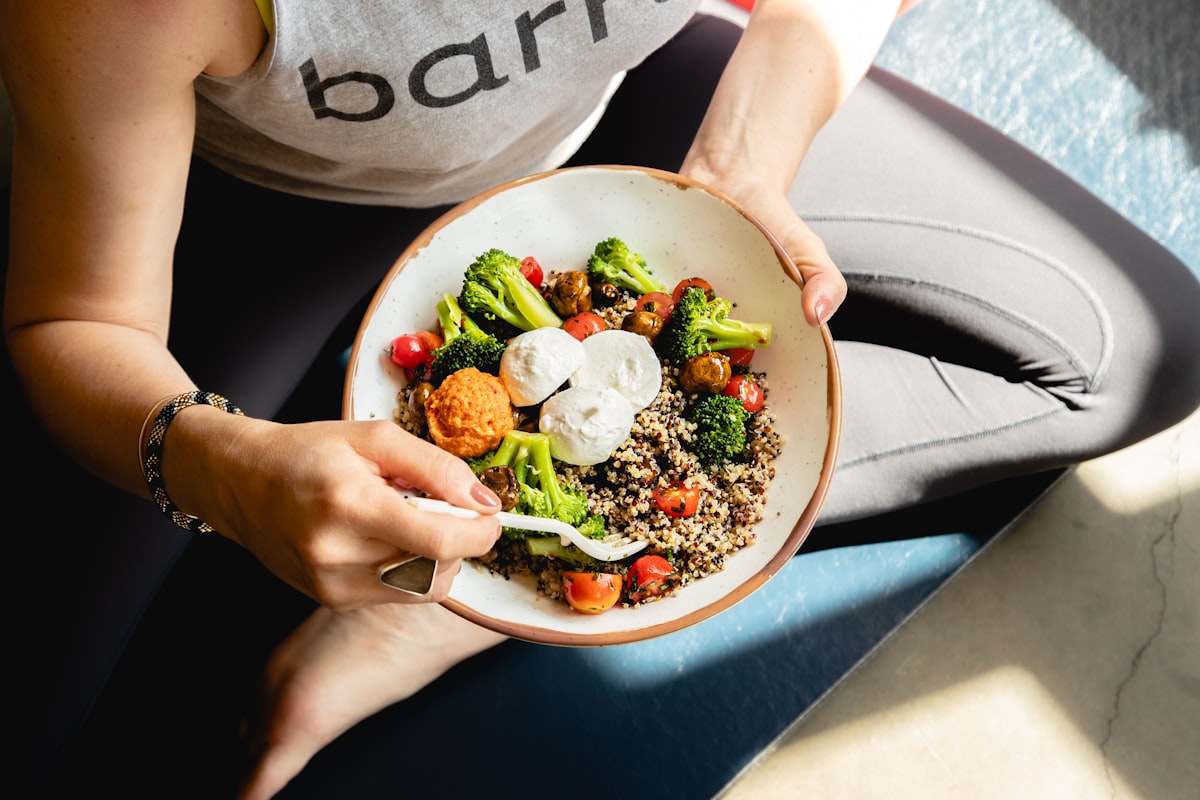
Building a Mood-Boosting Plate
Learn how to structure every meal with the right balance of nutrients to stabilise mood and energy throughout the day.

Antioxidants and Brain Health
Discover which antioxidant-rich foods protect your brain from oxidative stress and support long-term cognitive function.
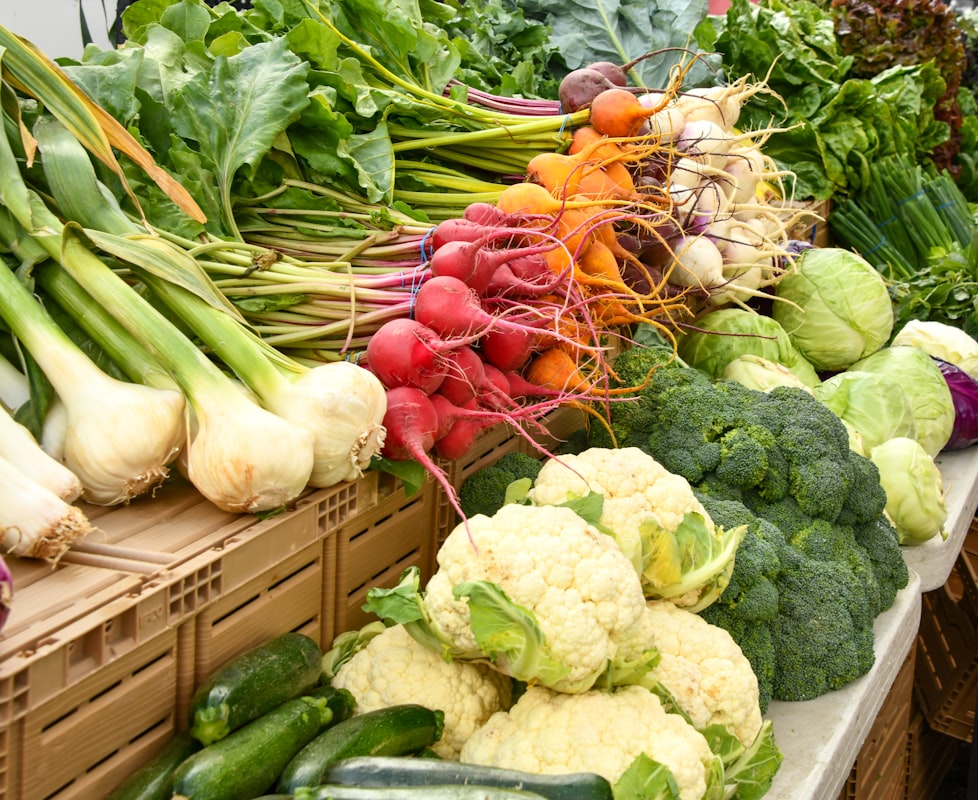
Gut Health Essentials
Explore fermented foods and prebiotic fibres that restore your microbiota balance and improve mental wellbeing.

Omega-3s: Brain's Best Friend
Understand how EPA and DHA support neuroplasticity, reduce inflammation, and enhance emotional resilience.

Hydration and Mental Clarity
Discover how proper hydration optimises neurotransmitter function and prevents mood-disrupting dehydration.

Mindful Eating Practices
Learn how slowing down and practising mindfulness during meals enhances nutrient absorption and mood.
Real Stories from Our Community
"After weeks of following the food-mood principles, I've noticed a tremendous shift in my anxiety levels. My morning brain fog has cleared, and I feel more emotionally stable throughout the day. The connection between what I eat and how I feel is undeniable. This guide helped me understand my body like never before."
Sarah Mitchell
Manchester, UK
"I was surprised at how quickly my mood improved when I eliminated processed foods and started focusing on whole, nutrient-dense meals. The explanations about the gut-brain connection finally made sense of why I felt so low. This resource is evidence-based and genuinely helpful for anyone struggling with mood issues."
James Richardson
Leeds, UK
Your 4-Week Transformation Journey
Week 1: Foundation & Awareness
Begin by eliminating the most inflammatory foods: refined sugars, seed oils, and ultra-processed items. Start a simple mood journal to track how you feel daily. Introduce one fermented food (like yogurt or sauerkraut) and increase your water intake to at least 8 glasses daily. These foundational changes reduce inflammation immediately.
- Keep a mood and food diary
- Swap sugary drinks for water or herbal tea
- Add one probiotic food daily
Week 2: Nutrient Density Focus
Introduce omega-3 rich foods (fatty fish twice per week) and increase vegetables to half your plate at each meal.
- Eat fatty fish twice per week
- Fill half your plate with vegetables
- Try one new vegetable variety
Week 3: Hydration & Energy
Optimize your water intake and reduce processed foods. Aim for 8-10 glasses of water daily and replace one sugary drink with herbal tea.
- Drink 8-10 glasses of water daily
- Replace sugary drinks with herbal tea
- Track hydration with a water bottle
Week 4: Habit Integration & Sustainability
Lock in your habits for long-term success. Create a meal plan that incorporates all previous changes and establish a routine for meal prep on weekends.
- Create a sustainable meal plan
- Start weekend meal prep routine
- Review progress and celebrate wins
Success Stories from Our Community
See how real people transformed their health with Daily Habits Health
Sarah M.
Lost significant weight in 8 weeks
"I've tried so many diets, but Daily Habits Health helped me understand that small, consistent changes are the key. I feel amazing and have more energy than ever!"
Michael T.
Improved energy & sleep quality
"The 4-week nutrition plan is practical and easy to follow. My sleep has improved dramatically, and I no longer experience afternoon energy crashes."
Jessica L.
Built sustainable eating habits
"Unlike restrictive diets, this approach focuses on adding good habits rather than eliminating foods. It's genuinely sustainable and feels natural."
David R.
Reversed pre-diabetes markers
"My doctor was amazed at my blood work improvement. The nutrition plan is evidence-based and actually works. Highly recommended!"
Ready to Transform Your Health?
Join thousands of people who've discovered that small daily habits lead to extraordinary results. Start your 4-week nutrition plan today!